Everyday Nutrition Made Simple

Find your rhythm with colorful, everyday food

Discover practical ways to build a balanced plate, plan nourishing meals, and develop healthy eating habits that fit naturally into your everyday life.

Eating well is not about following a perfect menu. It is about bringing more color, variety, and intention to familiar meals—from rice and vegetables to fish, tofu, tempeh, and seasonal fruit.

✳ Balanced plates✳ Everyday ingredients✳ Flexible habits
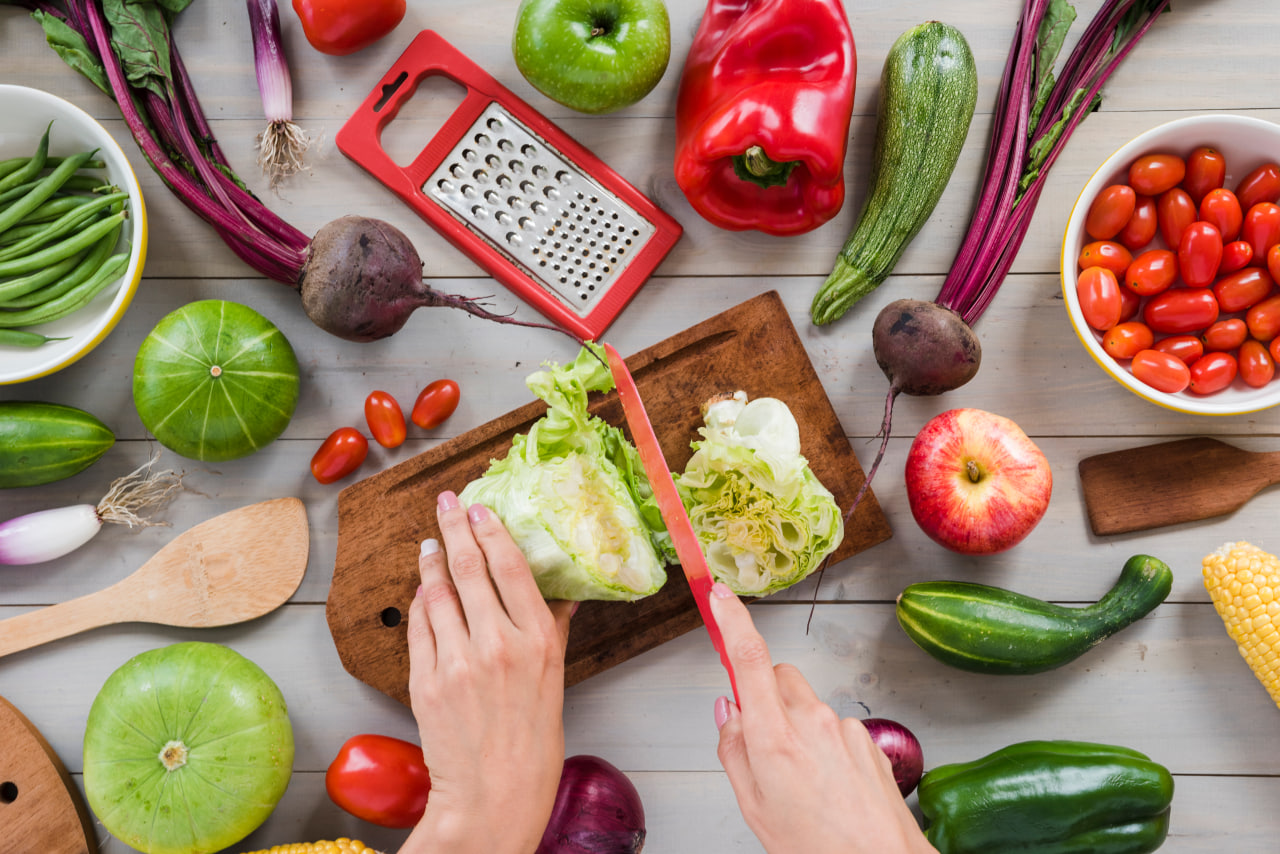
A colorful bowl of avocado, tomatoes, cucumber and leafy greens
Fresh ingredients for everyday nutrition
A little everyday inspirationEat colorfully. Eat mindfully.

01 / The essentials

The Foundations of Healthy Eating

Healthy eating is about creating a balanced and varied approach to food. Choosing different nutritious ingredients, eating regularly, and building sustainable habits can help support everyday well-being.

◉

Foundation one

Balance

A balanced diet includes different food groups that provide a variety of essential nutrients. Rather than labeling meals as good or bad, consider how vegetables, grains, protein sources, and fats can complement one another.

Think: a complete plate, not a perfect plate.

✿

Foundation two

Variety

Eating a wide range of foods helps make meals interesting while providing different vitamins, minerals, fiber, and other nutrients. Rotate vegetables, fruits, beans, fish, and whole grains across the week.

Think: different colors, textures, and flavors.

↗

Foundation three

Consistency

Small, realistic choices repeated over time can support lasting eating habits. A satisfying breakfast, water with meals, or vegetables at lunch can become a familiar routine without strict rules.

Think: repeatable choices that fit real life.

02 / On your plate

Build a Balanced Plate

A nutritious meal combines different types of food. Understanding the role of each food group can make everyday meal planning easier and more flexible. Use these five building blocks as inspiration rather than a rigid formula.

01

Vegetables and Fruits

Add colorful vegetables and fruits for fiber, vitamins, and minerals. Try spinach, cucumber, papaya, or guava.

02

Whole Grains

Include brown rice, oats, or whole-grain bread for energy and dietary fiber alongside other staple foods.

03

Protein-Rich Foods

Choose fish, eggs, tofu, tempeh, beans, and other protein-rich foods that suit your tastes and budget.

04

Healthy Fats

Include moderate amounts of unsaturated fats from nuts, seeds, avocados, or suitable vegetable oils.

05

Water and Hydration

Drink water regularly and adapt your intake to your activity, climate, and individual requirements.

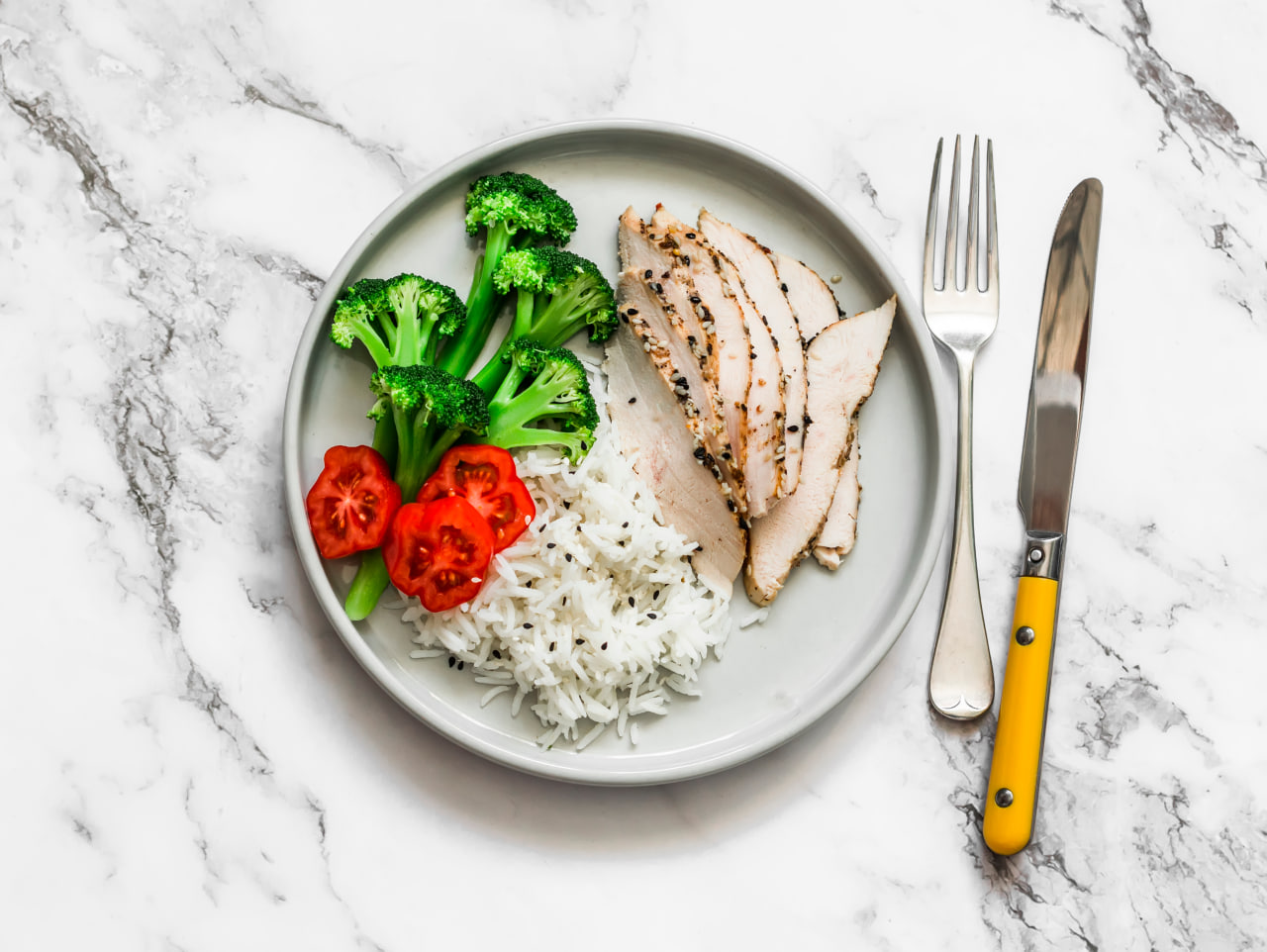
A familiar example: Try rice with stir-fried greens, grilled fish or tempeh, fresh cucumber, and water. Mix and match portions and foods according to your appetite and daily routine.

Read the balanced diet guide ↗

03 / Know your nutrients

Understanding Proteins, Fats, and Carbohydrates

Proteins, fats, and carbohydrates all have important roles in the body. Learning how they contribute to everyday nutrition can help you make informed food choices without following unnecessarily restrictive rules.

P

Proteins

Protein supports the body's growth, maintenance, and repair processes. Fish, eggs, legumes, tofu, and tempeh are familiar sources that can suit varied eating preferences.

Kitchen idea: add tofu to a vegetable stir-fry.

F

Fats

Dietary fats provide energy and support several important body functions. Nuts, seeds, avocados, and vegetable oils can contribute flavor, texture, and variety.

Kitchen idea: sprinkle roasted seeds on a bowl.

C

Carbohydrates

Carbohydrates provide energy for everyday activities. Rice, potatoes, oats, fruit, and whole grains are flexible choices that can be enjoyed alongside vegetables and protein.

Kitchen idea: pair rice with vegetables and fish.

Oatmeal bowl with banana, papaya, berries and a spoon on a warm table
There is room for flexibility.

04 / Daily rhythms

Eating Well Throughout the Day

A flexible daily eating routine can make it easier to enjoy balanced meals. The ideal pattern depends on your schedule, preferences, appetite, and individual needs. These simple ideas show how nourishing foods can fit different moments in the day.

Morning

Breakfast

Start with whole grains, a protein source, and fruit. Oats with yogurt and banana are one option.

Midday

Lunch

Combine vegetables, protein, and carbohydrates, such as rice with tempeh and greens.

Evening

Dinner

Choose a satisfying meal that fits your appetite, activity, and food preferences.

In between

Snacks

When useful, fruit, yogurt, nuts, or other nourishing foods can fit into your day.

05 / Practical progress

Small Habits, Meaningful Progress

Healthy eating does not require perfection or strict rules. Building realistic habits and making gradual changes can help create a positive and sustainable relationship with food.

Choose one small action that feels manageable this week. When it becomes comfortable, consider another. An approach you can return to is often more useful than a complicated plan you cannot maintain.

Explore the habits guide ↗
01

Plan Ahead

Think about upcoming meals, check what is available at home, and keep useful ingredients ready.

02

Eat Mindfully

Pay attention to hunger, fullness, pace, and the experience of eating whenever circumstances allow.

03

Choose Variety

Explore different ingredients, flavors, cooking methods, and food combinations over the week.

04

Make Gradual Changes

Focus on achievable improvements, like adding fruit to breakfast or vegetables to lunch.

06 / A personal conversation

A little more guidance for your everyday table

Food questions are often personal: perhaps you are trying to bring more variety to familiar meals, finding it difficult to plan around a busy routine, or simply wondering how to make your favorite dishes more balanced. Reading about nutrition is a helpful first step, and sometimes it is useful to talk through those ideas.

If you would like to explore your questions in a one-to-one conversation, you can use the contact page to send an online consultation request. Share the topics that matter to you and keep learning with the practical guides below.

Contact us about a consultation
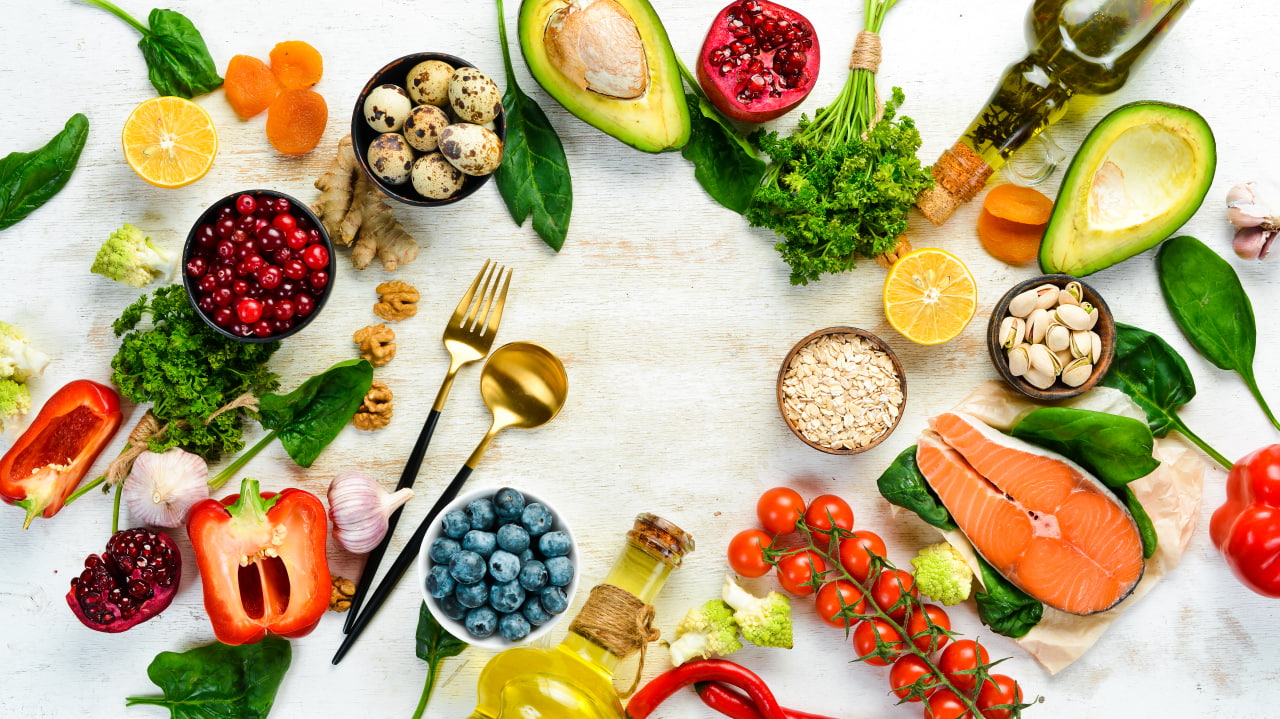
Colorful balanced meals prepared with vegetables, grains and protein-rich foods
Good questions are welcomeStart with the foods and routines you already know.

07 / The Everyday Harvest journal

Explore Our Healthy Eating Articles

Discover practical articles about balanced nutrition, essential nutrients, meal planning, and everyday eating habits. Each guide focuses on familiar foods and clear ideas you can adapt to your own circumstances.

Read the Blog

08 / Common questions

Frequently Asked Questions About Healthy Eating

Find answers to common questions about balanced meals, food choices, and everyday nutrition. Start with the fundamentals and explore the articles for more detailed examples.

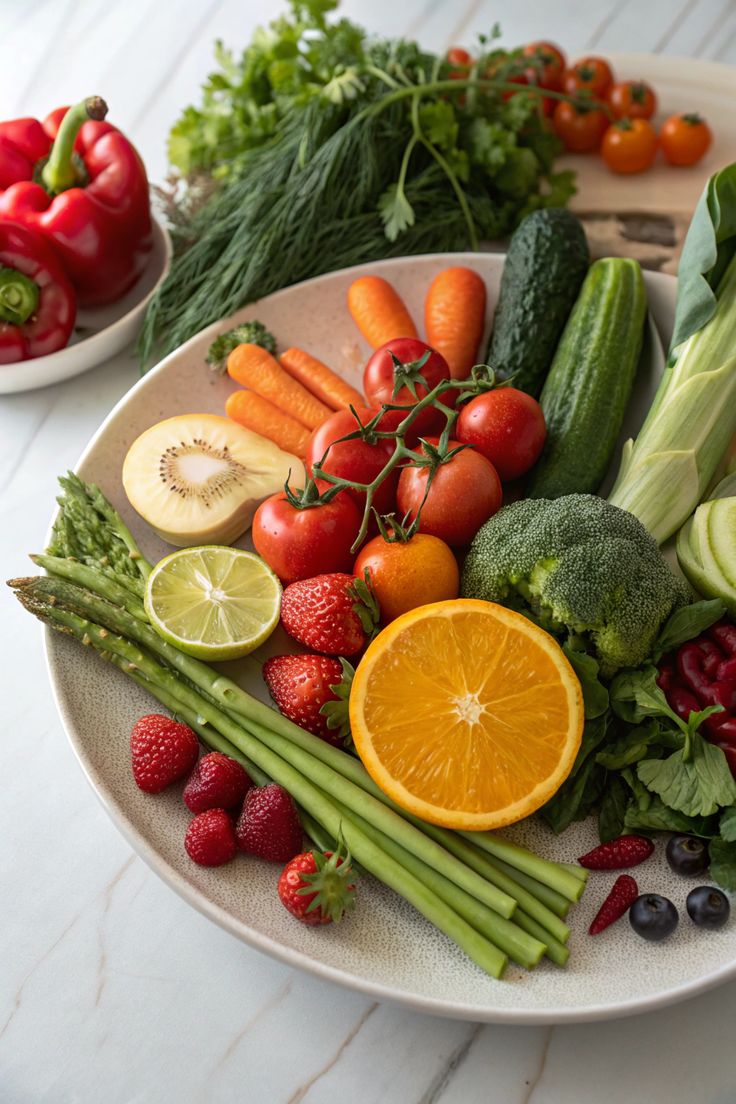
Fresh vegetables and tropical fruit ready for everyday cooking

A balanced diet includes a variety of foods from different food groups in amounts appropriate for individual needs, helping provide energy and essential nutrients. Think of vegetables and fruit, staple grains or starchy foods, protein sources, some fats, and water, with choices that suit your routine and local food availability.