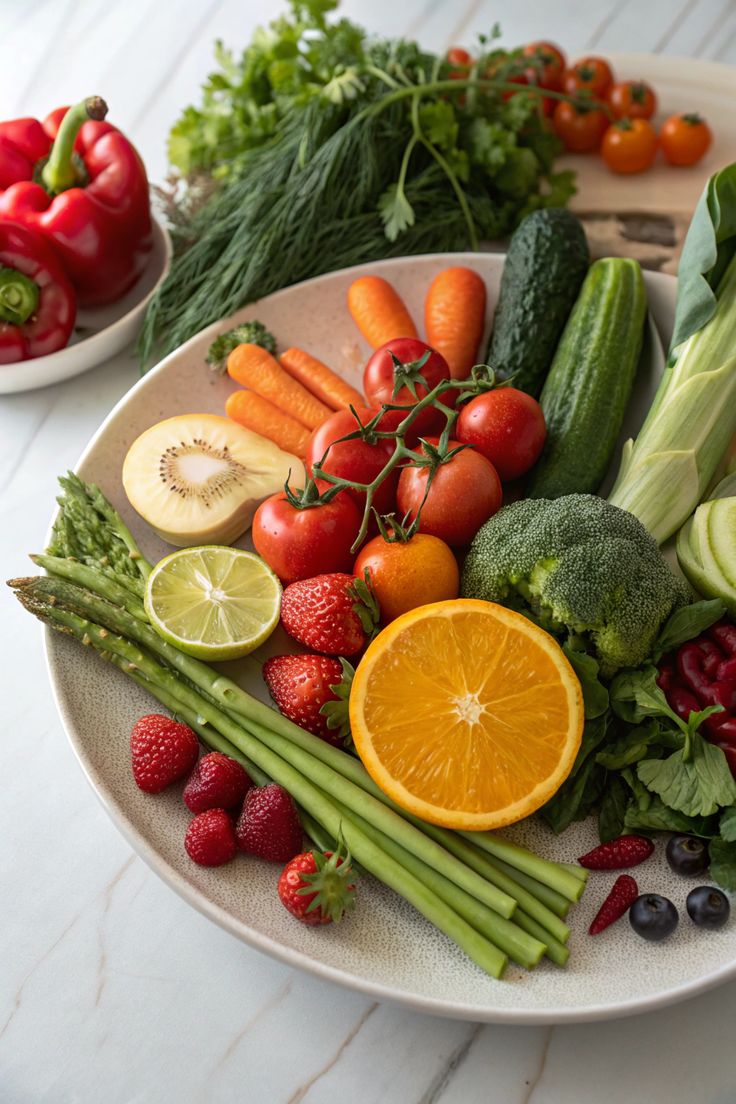
Protein, fat, and carbohydrate are essential parts of everyday nutrition, but they are often discussed in confusing or overly rigid ways. This guide explains their roles in clear terms and shows how familiar foods can work together on a balanced plate.
Understanding Macronutrients
Proteins, fats, and carbohydrates are often called macronutrients because the body uses them in relatively substantial amounts. They supply energy, support body structures, and take part in everyday processes. They are sometimes discussed as competing categories, but real foods often contain a mixture of them. A serving of tempeh, for example, contributes protein and fat, while beans also provide carbohydrate and dietary fiber.
Learning what these nutrients do can make food choices more understandable. Rather than trying to fit every meal into an exact numerical ratio, it is useful to recognize common food sources and how they can complement each other. Rice, vegetables, tofu, fish, fruit, nuts, and other familiar ingredients each bring their own combination of nutrients, textures, and flavors to the plate.
Why Protein Matters
Protein is involved in the growth, maintenance, and repair of body tissues. It also forms part of numerous enzymes and other substances used by the body. Food sources of protein vary widely in taste, cost, cooking method, and accompanying nutrients. Fish and eggs are common choices in many everyday meals; tofu, tempeh, soybeans, lentils, and other legumes offer plant-based alternatives.
Adding protein-rich foods to meals can be straightforward. Stir-fried tofu can accompany noodles and vegetables, a boiled egg can be included at breakfast, and tempeh can be served with rice and fresh greens. Selecting a range of protein sources across the week brings different nutrients and keeps meals interesting. There is no need to treat one particular food as the only acceptable source.
The Role of Dietary Fats
Dietary fats provide energy and are involved in several essential body functions, including the absorption of fat-soluble vitamins. Foods containing fats also add flavor and can make meals more enjoyable. Avocado, peanuts, seeds, and vegetable oils are familiar examples of foods that contain unsaturated fats. Fish and eggs provide fat in varying amounts alongside other nutrients.
When thinking about fat, consider the overall food and how it is prepared instead of assuming that all fatty foods are interchangeable. A handful of nuts and a portion of heavily fried food have different nutritional characteristics even when both contain fat. Using moderate amounts of cooking oil, choosing a variety of cooking styles, and including plant foods can help make meals diverse and practical.
How Carbohydrates Provide Energy
Carbohydrates are a major source of energy for everyday activities. Rice is a familiar staple, while noodles, bread, potatoes, cassava, oats, and fruit are other carbohydrate-containing foods. Some sources, particularly whole grains, legumes, fruit, and vegetables, also supply dietary fiber. Carbohydrate-containing foods may therefore contribute more than energy alone.
It is rarely useful to discuss a staple food without considering the rest of the meal. Rice served with fish, vegetables, and tempeh creates a different combination from a bowl of rice eaten on its own. Different grains and starchy foods can be enjoyed at different times. Including variety, appropriate portions, and complementary food groups makes carbohydrate choices part of a wider balanced eating pattern.
A quick nutrient map
Common Food Sources of Each Macronutrient
Think of protein sources such as fish, eggs, chicken, tempeh, tofu, beans, and lentils. Common fat-containing foods include nuts, seeds, avocados, vegetable oils, and some fish. Sources rich in carbohydrates include rice, corn, oats, potatoes, noodles, bread, and many fruits. This classification is useful for learning, but remember that foods may sit in several groups at once.
For example, peanuts contain protein along with fat, while tempeh provides protein plus other nutrients. Milk and yogurt contribute protein, carbohydrate, and different amounts of fat depending on the product. Beans supply both protein and carbohydrate. Paying attention to these overlaps can reduce confusion when combining ingredients. Most satisfying meals contain a blend rather than three separate, perfectly divided components.
Combining Macronutrients in Everyday Meals
A practical starting point is to choose a staple food, add vegetables, and include a protein-rich ingredient. Rice with grilled fish, sautéed kangkung, and cucumber offers a mixture of macronutrients and other nutrients. Tofu with vegetable noodles is another combination; oatmeal with yogurt, seeds, and banana is one more. The portions can vary according to appetite, activity, and personal preferences.
Cooking does not have to become technical to support this approach. When cooking a one-pot meal, think about whether it has a vegetable component and a protein source alongside the staple. When buying lunch outside, consider which side dish could add variety. These small questions can be more useful than trying to calculate a rigid percentage of energy from each macronutrient at every meal.
Avoiding Common Nutrition Misconceptions
One misconception is that carbohydrates should always be avoided. In reality, many carbohydrate-containing foods can fit into a varied eating pattern. Another is that dietary fat is automatically undesirable. Fats have important functions, although food sources and usual amounts are worth considering. A third idea is that everyone needs to emphasize protein at the expense of other foods. Each macronutrient contributes something distinct.
Nutrition discussion online can reduce complex dietary patterns to a single dramatic rule. A more useful approach is to consider ingredient quality, diversity, cooking methods, and the meals you enjoy over time. Be curious about food labels and serving information, but avoid assuming that one nutrient tells you everything about a food. Everyday balance is broader than any one number or category.
Food Quality Matters Alongside Macronutrients
Macronutrient labels can be useful, but they do not tell the whole story of a food. Rice and oats both contain carbohydrates, for example, yet their fiber content, texture, cooking methods, and the foods eaten alongside them can differ. Nuts and refined oils both supply fat, but whole nuts also bring fiber and minerals. Fish, beans, and eggs all provide protein while offering distinct combinations of other nutrients. Looking at the whole ingredient helps make these differences easier to understand.
Fiber deserves particular attention because it is often overlooked when people focus on proteins, fats, and carbohydrates alone. Vegetables, fruits, legumes, and whole grains can make meals more varied and satisfying, and many contribute fiber. Pairing a staple food with beans and vegetables creates a different eating experience from serving the staple alone. The useful question is not simply how much of one nutrient a meal contains, but how its components complement each other.
Cook and Combine Without Complicated Calculations
Cooking methods can change the flavor, texture, and composition of a meal. A fish fillet served with steamed vegetables and rice will have a different fat content from the same fish fried in a generous amount of oil. Tofu can be steamed, baked, grilled, or cooked in soup. None of these choices needs to become a rigid category of acceptable and unacceptable foods. Instead, consider how often you use different methods and whether your usual combinations offer satisfying variety.
Meals do not need exact nutrient ratios to be thoughtfully assembled. A vegetable omelet with toast and fruit includes multiple food groups. A bowl of rice with lentils, greens, and a little oil includes carbohydrate, protein, and fat. Tempeh added to sautéed vegetables provides protein and texture; nuts sprinkled over oats contribute fats and crunch. Seeing these combinations in familiar food makes the science practical without requiring a tracking application.
Three everyday situations
- A busy morning: add yogurt or an egg to a breakfast built around fruit and toast, choosing a combination that feels comfortable for your appetite.
- A simple packed lunch: combine leftover rice, tofu or fish, fresh cucumber, and cooked vegetables to create several flavors and textures.
- An evening meal: start with soup or stir-fried vegetables, add a carbohydrate food, and include beans, eggs, or another protein source that suits your household.
Learn to Read Nutrition Information in Context
Food labels may list grams of protein, fat, carbohydrate, fiber, and other components. These figures can help compare similar products, but portion size matters: a nutrition panel typically describes a defined serving or quantity, not necessarily everything in the package. Ingredient lists provide a different kind of information, showing the components used to make a packaged food. Both tools can be useful when exploring unfamiliar products.
It is also reasonable to pay attention to taste, cost, cooking time, and how a food fits with the rest of the day. A packaged product that has an impressive nutrient number but is expensive or unpleasant may be less practical than an ordinary food you enjoy. Over time, you can develop a flexible understanding of macronutrients by noticing patterns, comparing familiar foods, and building meals with a range of ingredients.
Conclusion
Protein supports maintenance and repair, fat contributes energy and essential functions, and carbohydrate provides energy for daily activities. None of these macronutrients needs to be understood in isolation. Familiar ingredients including rice, fish, tofu, tempeh, beans, vegetables, nuts, and fruit can be combined in many different ways.
Use macronutrient knowledge to add perspective, not pressure. Start by looking at the variety on your plate and the foods that are available in your community. Flexible combinations and an understanding of basic nutrient roles can help you make informed meal choices without a long list of strict dietary rules.